
We like to concentrate on the fun stuff here at Bali Adventurista, but sometimes, it just makes sense to touch on more serious topics. Today, we turn our hands to travel insurance cover for Bali.
There’s been a growing sense of concern on the island that more and more tourists are arriving here unprepared for the cost of medical treatment in emergencies.
Without medical cover, you have to pay all your own bills, and as many tourists have learned, a motorbike accident or something similar can run up bills of tens or even hundreds of thousands of dollars.
Now, there are no plans to make medical insurance or health insurance mandatory, but we strongly recommend that you have a travel insurance plan that covers your entire trip.
So, let’s take a look at the ins and outs of travel insurance for your next Bali holiday so that you can enjoy all the upsides of this island paradise and none of the downsides.
TL:DR?
- It’s a bad idea to see a travel insurance policy as an optional extra. There is always an ongoing risk that your holiday plans might be interrupted by illness, accident or other misfortune.
- Medical facilities in Bali are of a high standard, but without travel insurance, medical care bills might run very high, indeed. You might not even be able to recieve any help beyond emergency assistance if you can’t provide evidence of travel insurance.
- We strongly recommend that your travel plans include a travel insurance policy, and it should cover hospital expenses, emergency evacuation, adventure sports, cancellation costs, personal belongings and more. Insurance can be tailored to your trip and your needs; make sure to work with your insurer so that your travel insurance works for you.
The Pros And Cons Of Buying Bali Travel Insurance
So, let’s turn our heads to the big question. Why should you buy travel insurance for Bali, and what are the advantages of disadvantes of travel insurance?
The only con we can think of for travel insurance for Bali is that it costs money. And depending on what exactly you intend to do on your Bali holiday, it might cost quite a bit of money.
However, a standard travel insurance plan isn’t all that expensive and the benefits are very much worth considering.
- Travel with confidence – knowing that unforeseen events won’t derail your holiday is a huge boost to your confidence. It encourages you to focus on the day-to-day fun and not worry about every little detail.
- Full coverage in the event of being ill or injured – while treatment for mild food poisoning (often called Bali Belly) might be cheap, it’s possible for medical bills to end up sky high in the event of a scooter accident or scuba diving issue
- Losing your passport won’t cost the Earth – losing your travel documents is a huge problem, and knowing that you won’t pay for all the hassle to replace lost passports is awesome
- Trip cancellation services are really valuable – if you’re taken ill or have to attend a funeral or have to delay or cancel your trip, travel insurance can often ensure that you don’t have to pay for this
- Personal effects coverage – if things get lost or are stolen, again you have peace of mind that you won’t have to foot the whole bill
And in addition to these fairly standard areas of coverage, you can also get an insurer (for an additional premium) to provide cover for high-risk activities such as scuba diving, bungee jumping, etc.
In our minds, the pros of travel insurance massively outweigh the cons of obtaining the insurance.
The Number One Reason For Travel Insurance: Overseas Medical Expenses

If you don’t pay your own medical expenses at home, it’s often hard to imagine just how much money you might need if you hurt yourself motorbike riding, but take a look at these GoFundMe campaigns – Euan Kay needed £43,995 for life-saving surgery here after a scooter accident. Benji needed $60,000 to get back home to Australia after an accident, and Blake Gibb, who had an accident in the Nusa Islands, needed $370,000!
You might be shocked to learn that it costs nearly $20,000 to ship someone’s body home after passing away in Bali.
Travel insurance can’t make you stay safe on the island, but if something does go wrong in the country and you have decent medical coverage on your travel insurance policy, you won’t leave your family begging for help on GoFundMe, and we’d like to draw your attention to those links above. None of the families involved managed to raise the full amounts they were seeking to help their relatives.
So, your travel insurance cover for medical expenses needs to be broad. You want medical cover for everything from Bali Belly to Dengue Fever, from scooter accidents to general accidents.
And one thing we should stress at this point: travel insurance for scooter accidents only works if you are legal to drive in Bali. That means you must have a current driving license with a motorbike endorsement and an International Driver’s Permit, and you must be wearing a helmet.
The medical cover on your travel insurance is invalidated, and you are liable for all your medical care if you are found to be driving illegally. This is no joke.
Unfortunately, it’s very easy to drive illegally in Bali, and rental agencies don’t care if you have insurance cover or a license. So, it’s down to you to ensure that you’re properly covered.
Something else you should be aware of is that travel insurance generally won’t cover pre-existing medical conditions. That means you have to register your pre-existing medical conditions, and if you fail to do so, your medical cover may be invalidated for any claim, even things that have nothing to do with your pre-existing medical conditions.
The good news is that if you do register them, you may be offered travel insurance cover for the conditions at an increased premium, or you can agree to exclude them from the policy.
Finally, we recommend that you choose travel insurance that offers access to a 24/7 emergency assistance helpline. This is much better than relying on the Australian Government or your embassy in an emergency.
The emergency assistance line can usually help with everything from hospital admissions to translating documents.
Why We Recommend Search And Rescue (SAR) Cover In Bali
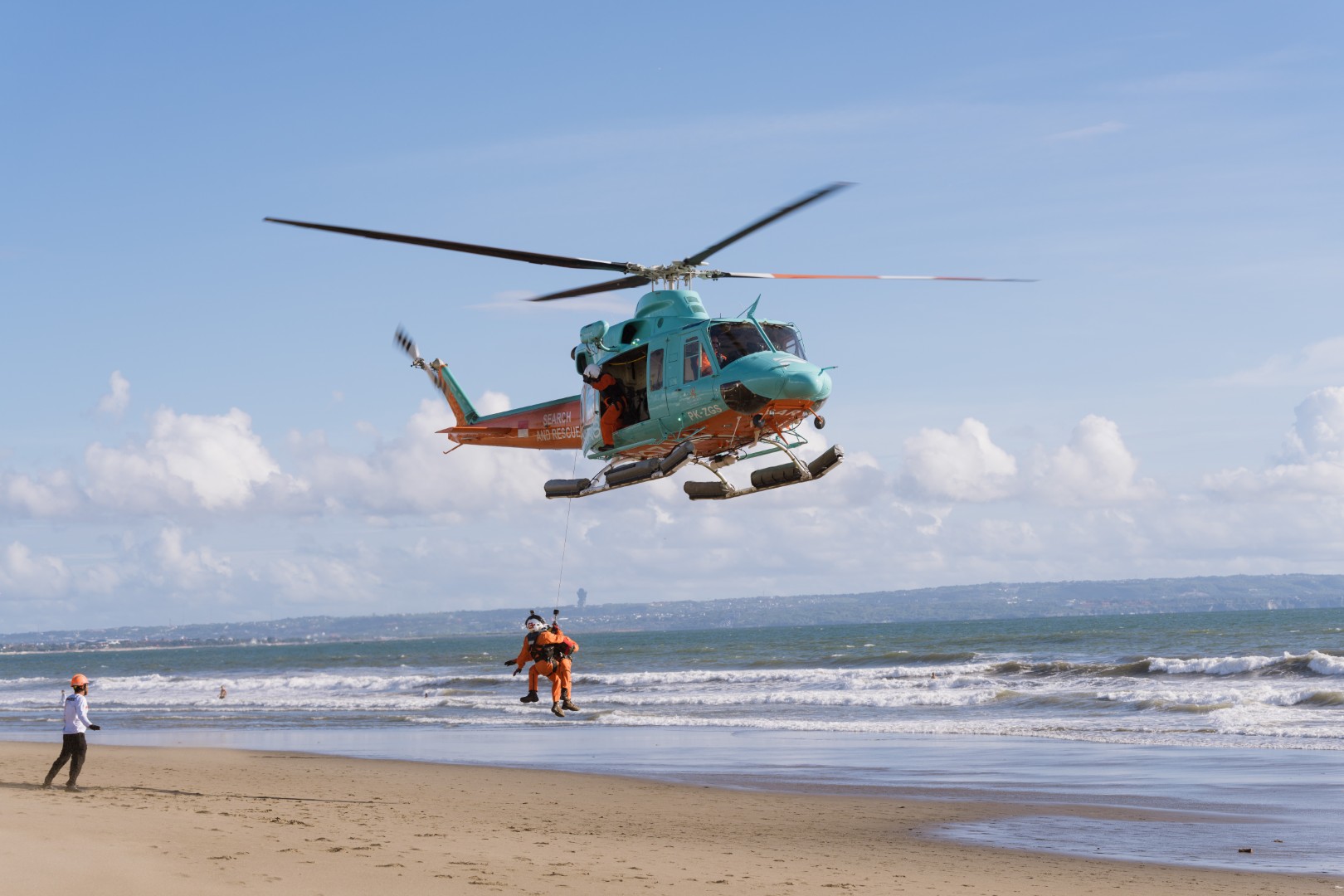
Bali is part of the Indonesian Archipelago, and the formation of the islands, combined with a developing nation budget, means that local rescue services often find themselves faced with insurmountable challenges in an emergency.
If you have Search and Rescue (SAR) insurance as part of your travel insurance (and it’s not a standard part of most policies, as you can see from the product disclosure statement given by most insurers, so you have to ask for it), then you can gain extra peace of mind.
Whether the problem is traffic in crowded areas, being swept out to sea or getting stuck on the side of a volcano while you are hiking, SAR coverage can help you get the help you need, fast.
While this may not be the most budget-friendly option, we’d consider this to be a good clause for anyone who will enter Indonesia and essential for anyone planning on adventure travel.
The Ins And Outs Of Adventurous Activities And Travel Insurance

Speaking of adventurous travel, if you intend to enjoy anything a little riskier than the standard holiday maker in a resort, then you should make certain that you have the right activities coverage. Now, they will vary depending on your plans, but here are just some of the most common areas that you might want assistance with:
- Adventure sports and activities: hikers, surfers, bungee jumpers, snorkellers, divers, ATV riders, mountain climbers, volcano explorers, etc. all need to make sure their travel insurance covers their plans. The good news is that most travel insurance providers are used to these requirements and they can easily assess your risks and quote a sensible premium for coverage. Don’t stint on this coverage, mind you; you are far more likely to incur medical expenses cliff diving above a waterfall than on a sun lounger at a beach club.
- Scooter and motorbike coverage – again, we need to reiterate how dangerous this activity can be in Bali and how high costs for medical facilities can go in the event of an accident. Just make sure the driver holds the right license and IDP, or you’re not covered even if you paid for this as an optional extra
- Quad bikes and ATVs – you don’t need a license to operate these machines, but they are super dangerous, and you want to ensure that they are covered as optional extras on your policy. It’s particularly important that you have personal liability insurance when using these vehicles, as if you hurt someone or damage somebody’s property, it can get expensive fast.
- Rental car coverage – renting a car might not seem particularly risky, but on Bali’s roads it’s riskier than you might think. Most people avoid this risk by hiring a car with a driver, but if you insist on driving yourself, we recommend travel insurance with rental vehicle excess coverage. That’s because the rental company’s insurance policy tries to make the customer pay the lion’s share of the damages. This coverage ensures your travel insurance picks up the bill instead of you.
Lost Luggage Doesn’t Have To Ruin Your Trip

If you take a look at nearly any travel policy online, you will find that it offers insurance for lost or delayed baggage and other personal effects. This is very handy, as if you’re left without your bags for a few days, it helps to buy things to tide you over until they arrive, or if they are completely lost, to replace everything.
Airlines are obliged to offer some compensation if they lose your bags, but it’s often a fraction of what it’s really worth, so your travel insurance policy can help to plug the gap.
One thing to watch out for with this kind of insurance cover is that they often have sub limits within this clause in your policy. These limits will place a hard cap on what you can claim per item, and it’s often much lower than the cost of replacing your laptop or your camera, for example.
So, if you have any particularly valuable items, don’t despair. Arrange for a travel insurance policy that provides cover for named items for their full value. You may need to provide receipts for the original purchase of these items and for their replacement if you make a claim.
We also touched on it earlier, but personal liability insurance cover can be very useful in case you get into any legal disputes. In these instances, the insurer will cover your legal fees and potentially any award made against you.
When Your Trip Needs Cancelling Or Rearranging
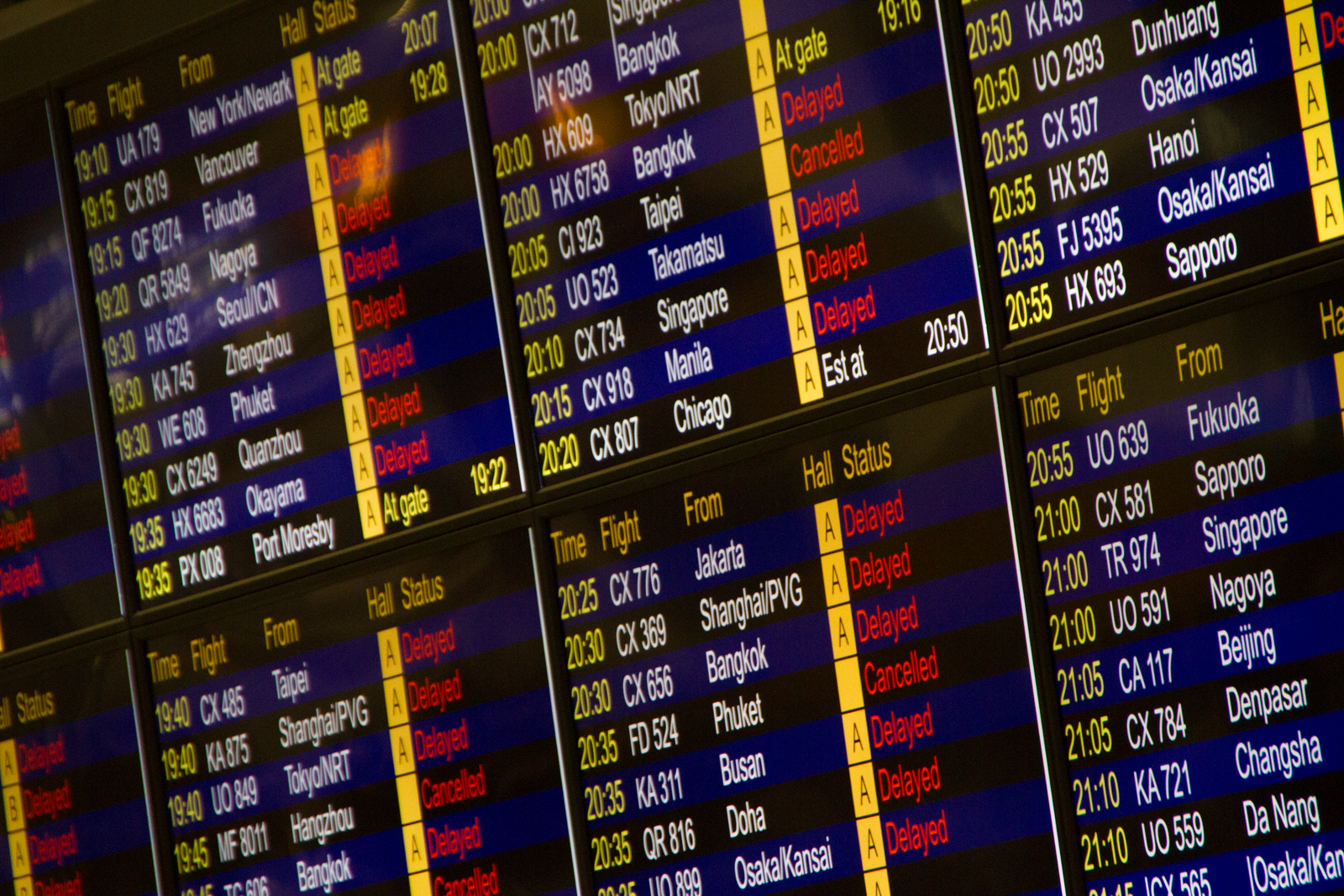
It’s not just in Bali where things can go wrong; in fact, people often have to cancel or reschedule their holiday plans at the very last minute. Anything from sickness to a death in the family can derail your best-laid plans.
But if you’ve followed our advice and picked travel insurance with trip cancellation costs covered and made certain to insure your trip from the day you booked, you will probably be able to claim the expenses back.
Many travel insurance policies also provide cover for delays, such as meals after x hours, hotels and transport after y hours more and so on.
While the airlines are meant to do this, they often fail to meet their obligations, so it’s nice when you get stuck somewhere overnight to have a no-hassle fallback plan.
About Natural Disasters In Bali And How To Get Government Advice For Bali
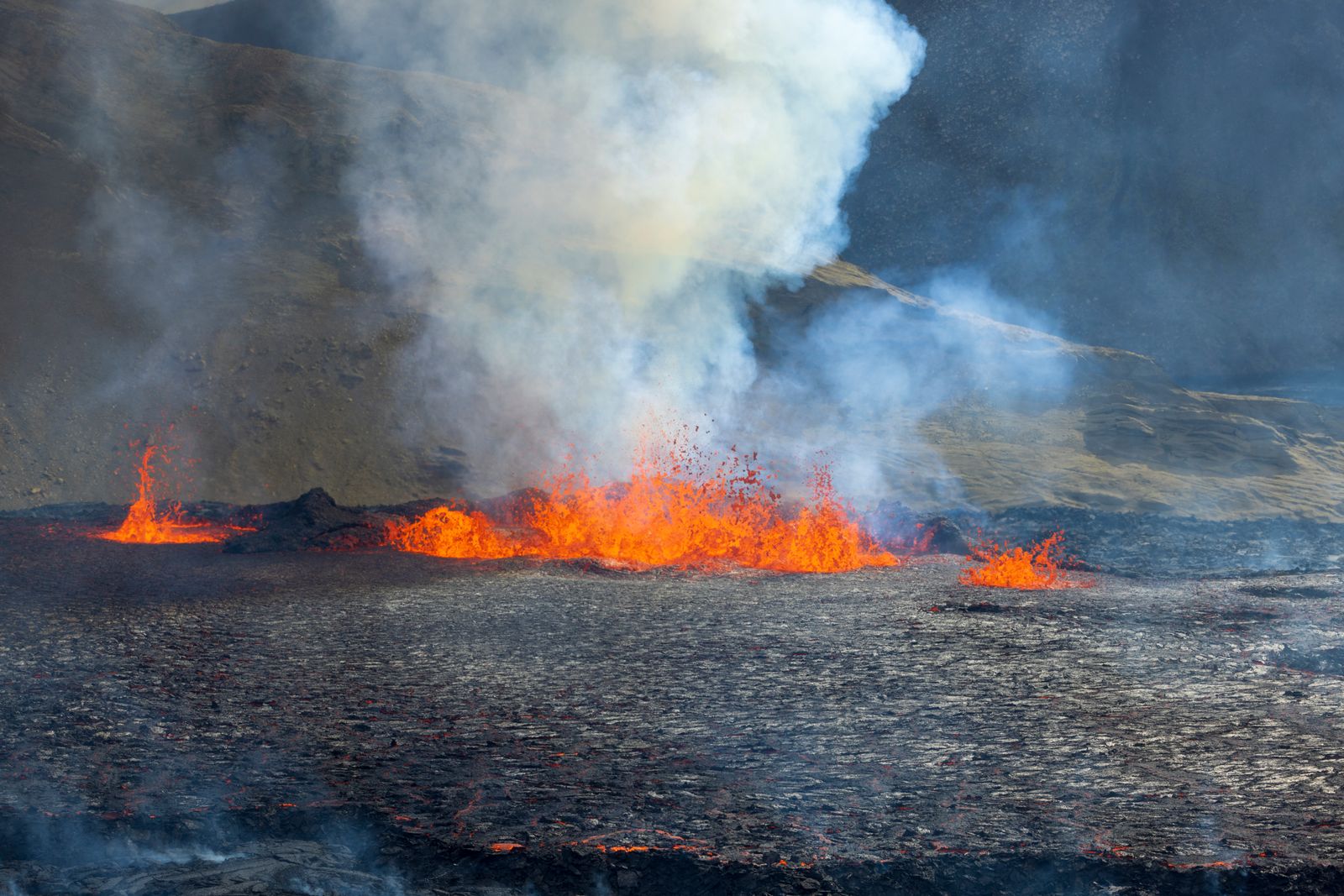
Bali is a place that is sometimes affected by natural disasters. It’s in the Ring of Fire, an area of intense volcanic activity and also geological plates colliding.
While you’re not likely to suffer the direct consequences of a bad earthquake, volcanic eruption, or tsunami on your holiday, you might end up facing the indirect consequences.
Which can include flights delayed due to ash clouds. So, make sure you go beyond medical cover and insure against risks from natural disasters too.
This will mean that your flights, hotels, etc. will be covered if you find yourself stuck in Bali for a while longer. Then, it’s just a bonus holiday, right?
Our Top Choices Of Travel Insurance For Bali Trips

We don’t sell travel insurance, and we don’t make any guarantee that any given provider will be able to meet your individual needs in their professional capacity. However, the list of insurers below is a great place to start.
These are all reputable Australian insurers who write thousands of travel insurance policies each year.
We can’t stress enough how important it is to do your homework before you accept an offer of travel insurance from any given provider.
Choosing Your Insurance – The Important Stuff

We must stress that we don’t sell insurance and our team cannot make recommendations about which specific policy you should buy. However, we can provide you with a checklist to help you make your own decision:
- Be realistic about your travel insurance budget – the cheapest travel insurance is unlikely to meet your actual needs. The sub limits are often ridiculous, coverage is minimal and the excess (the amount you must pay before the insurer pays a penny is sky high). You want to make sure that the cost of the policy is reasonable and that you’ve covered the major risks you will be facing on your holiday.
- Be clear about how long you will stay here and what you will do – you need to let the insurer know, then they can lay out the individual benefits, and you can decide whether they matter to you or not. They can also explain any exclusions and whether you can buy additional cover for these areas.
- Be certain you meet the eligibility criteria for your policy – the travel insurance provider will want to know where you normally live; people who spend all their time in Bali don’t qualify for Bali travel insurance. AN Australian-based insurer may only insure those who normally reside in Australia, etc.
- Double-check all sub limits – make sure things like your laptop or surfboard are covered properly. You don’t want to pay for a new $10,000 camera because the sub limit only covers $500.
- Read all the fine print – you need to read it and understand it too. If you don’t make the insurer explain it to you. You can’t be certain you’re getting the right benefits from your plan unless you do.
- Multi-trip insurance can make sense – if you travel a lot, then a combined travel insurance package for multiple trips can work out cheaper and more convenient.
How To Minimise The Need To Claim On Travel Insurance

Our team has also put together some basic safety tips to help you while you’re in Bali and reduce the likelihood that you will need to use your travel insurance:
- Heatstroke is real – we strongly recommend that you stay hydrated at all times. Bali is hot and humid, and it can cause a nasty shock to your system
- But avoid tap water – the water out of the tap is not fit for human consumption, and the locals don’t drink it either. Make sure to use bottled water. Ice is fine, though; the Indonesian government has laid down strict standards for ice production, and it all comes from official sources using clean water.
- Bali belly is no fun – so wash your hands when you eat, try to avoid food served out of trays left around in the sun all day long; it’s better to eat food that’s prepared fresh when you arrive.
- Insect repellent keeps the doctor away – mosquitoes in Bali don’t usually carry malaria, but they do bring Dengue and other viruses and illnesses, so use a DEET-based repellent and reduce your risk of getting sick
- Please, please, please wear a crash helmet – the number one cause of death for locals and foreigners other than natural causes is bike accidents. Many of these deaths could have been prevented by wearing a helmet. Yes, it’s not as cool, and it might muss your hair a bit, but it’s better than leaving your brains on a Bali sidewalk.
- Choose tour operators carefully – a bargain basement dive operator will cut corners, a very reputable operator may cost more, but they are much more likely to adhere to basic safety standards, etc. You really do get what you pay for sometimes.
- Never break the law or violate local customs – they can arrest, fine, jail and then deport you in that order. Don’t ruin yoru holiday and get banned from Indonesia. Your trip should be fun, not chaotic.
Preparing For Your Bali Visit – Your Checklist

We think it’s useful to have a basic checklist ready to be certain that you’re ready to enjoy Bali to the fullest. So, here’s one we prepared for you:
- Get your passport and check that it has at least 6 months’ validity from the day you enter Indonesia and is in very good condition (Indonesia routinely refuses access to people with damaged passports) and that you meet the visa criteria.
- Make sure to do your research when it comes to travel insurance. Then, after you’ve reviewed all the clauses and sub limits as necessary, you can book the travel insurance as you book the rest of your trip. Make certain to include any adventurous activities you intend to undertake.
- Don’t sign on the dotted line until you are positive that you meet any eligibility criteria the insurer has. Declare any pre-existing conditions and decide whether you want them covered or not. You will want to balance risk and cost. Sometimes, it’s worth paying an increased premium for peace of mind. Sometimes, it’s not.
- Always make sure to contact your insurer and get their app (install it and register it before you leave). We also recommend keeping a hard copy of the policy, and a hard copy of the policy number and emergency hotline number in your wallet, as well as a soft copy on your phone.
- Check out the Australian government internet portal Smartraveller on the day that you depart for Bali. This will let you know if there are any possible delays due to volcanic eruptions and the like.
- Make up a simple first aid kit and place any of your regular medication in there. We strongly recommend you take a doctor’s prescription for any medication, both in hard copy and soft copy on your phone.
- Finally, check to see how you make a claim on your travel insurance so that in an emergency, you’re ready to rock.
Final Thoughts On Buying Travel Insurance: Bali And Beyond
Travel insurance isn’t a miraculous assurance of a risk-free holiday; in fact, some travel insurance companies estimate that they make a payout on 1 in 10 policies!
However, what travel insurance does do is buy you some peace of mind that if you need help, and particularly if that help involves medical facilities that you won’t end up going bankrupt over your care.
It may also offer assistance for trouble in the event of natural disasters, sporting injuries, lost bags or documents, volcanic eruptions, etc., and it’s so much better to know that the full details of any eventuality will be taken care of if the worst happens.
As we said above, our job isn’t selling travel insurance; we don’t make any money if you do buy some, but we want you to enter Indonesia knowing that you’re covered, just in case, because we know how bad it can be if things go wrong and you aren’t.